

The short version
- The price cap rises 13% from 1 July 2026, taking a typical direct debit bill to about £1,862 a year.
- The rise is driven mainly by higher wholesale gas prices linked to conflict in the Middle East.
- The cap is reviewed every three months, so prices can move in July, October, January and April.
- A home battery stores daytime solar power for use in the evening, when grid electricity costs the most.
Energy bills are back in the headlines after Ofgem confirmed that the energy price cap will rise by 13% from 1 July 2026.
For a typical household paying by direct debit, annual energy costs will increase by around £221, taking the average bill to approximately £1,862. The cap limits the maximum amount suppliers can charge for each unit of gas and electricity, as well as daily standing charges, so households that use more energy will pay more overall.
The cap is reviewed every three months. This means prices can rise or fall in July, October, January and April, making future bills hard to predict. These changes are driven largely by wholesale energy markets, which are outside the control of individual households.
Why do energy prices keep rising?
This latest increase is driven mainly by higher wholesale gas prices on global markets, largely the result of ongoing conflict in the Middle East. Gas does not just heat homes; it also sets the price of grid electricity for much of the year, so when gas prices rise, the cost of the power coming into your home tends to follow.
None of this is within your control or your supplier’s. Prices fell earlier in the year, then climbed again in July, and they could move in either direction next quarter. Building a household budget around a figure that changes every three months is far from easy.
How solar panels and batteries can help
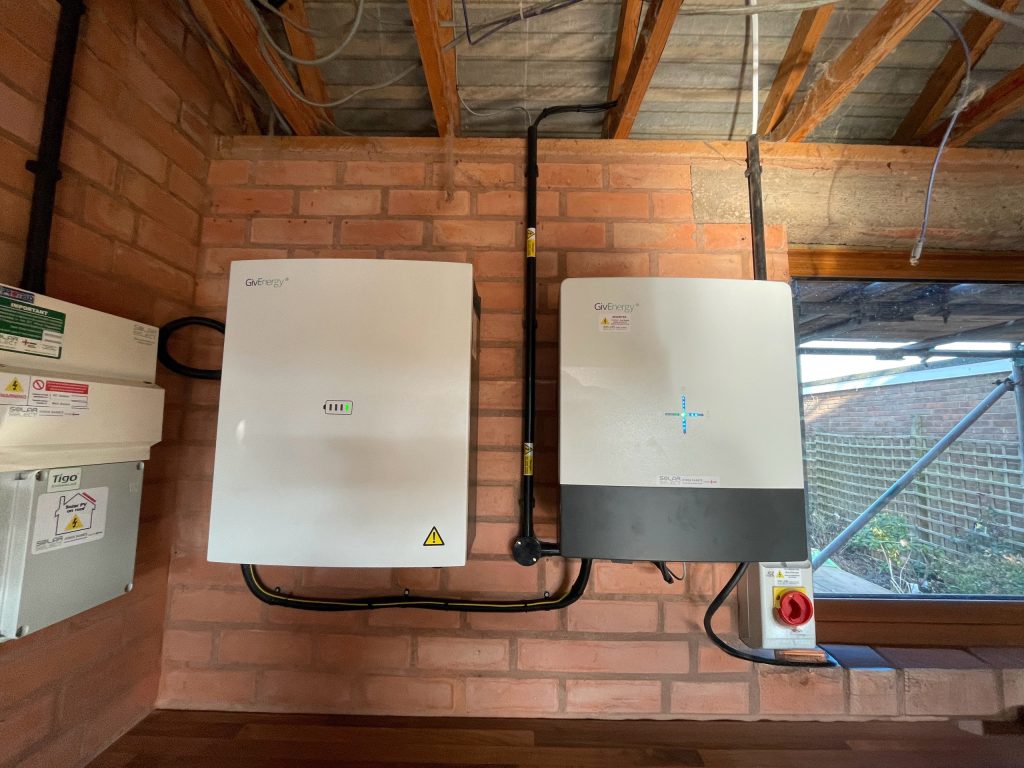
Solar panels produce most of their power during the day, but many of us use the most electricity in the evening, once the sun has gone down and grid prices are at their highest. A home battery closes that gap. It stores the free electricity your panels make during the day so you can use it in the evening, exactly when buying from the grid costs the most.
A battery can also charge on cheaper off-peak electricity and run your home through peak hours, helping you get even more value from a smart tariff. For many of our customers, adding storage makes the biggest difference to their bills.
One customer who recently added a third battery told us the system has been "highly successful in terms of utilising free solar electricity to save costs."
Is now the right time to invest?
Energy prices have proven unpredictable over the past several years, and waiting for them to settle assumes that they will. The sooner you generate your own power, the sooner you start saving, and the more future price rises you avoid. Solar and battery storage is also a long-term investment in your property, giving you more predictable energy costs year after year.
Finance options are available to spread the cost, alongside a free, no-obligation survey so you can see what your home could generate and save before you commit.
See the numbers for your own home
Enter your current electricity spend in our solar calculator to see how much your bill could rise as prices climb, what a monthly finance repayment might look like, and how much you could save by generating your own power. All figures are adjustable estimates.
Published .

Written by
Terry Hayward
Managing Director, Solar Select
Terry leads Solar Select, the family-run solar and battery installer in Droitwich. The business started in 2011 with a man and a van, and is now a team of local engineers, sales, admin and support staff.
 Checked by Jack Gartshore, Solar Electrical Engineer.
About Solar Select




- MCS-certified installer, fitting solar and batteries locally since 2011
- Rated 5.0 from 33 reviews on Google and 10/10 on Checkatrade
- Written by our own team and checked by one of our engineers
How we write our articles: every guide is written by the Solar Select team from what we see on real installs, checked by a qualified engineer, and reviewed when tariffs or rules change. Spotted something out of date? Email info@solarselect.net. Solar Select Limited, Salwarpe Business Park, Droitwich WR9 9BN. Company No. 10335489. Our accreditations.